
In 2025, online visibility means more than ranking on page one it means appearing inside Google’s AI answers. AI Overviews now control how users interpret information, influence clicks, and decide who they trust. Learning how to be visible in Google AI Overviews has become the next evolution of SEO strategy. Unlike traditional search, AI results rely heavily on structured data, semantic relevance, and verified sources. That means Google’s AI doesn’t just look for who ranks it looks for who deserves to rank.
The companies that build authority through strong digital PR and entity optimization are the ones showing up in AIOs. As per Semrush, “AI Overviews are on the rise: 13.14% of all queries triggered AI Overviews in March 2025. That’s up from 6.49% in January 2025.” This shows that the old SEO tricks are obsolete; what matters now is factual precision and trustworthy brand footprints. This article explains how to be visible in Google AI Overviews, actionable optimization techniques, and the importance of digital PR in the AI era. If your brand aims to be seen, trusted, and quoted this guide will show you how.
How Does Google Choose What Appears in AI Overviews?
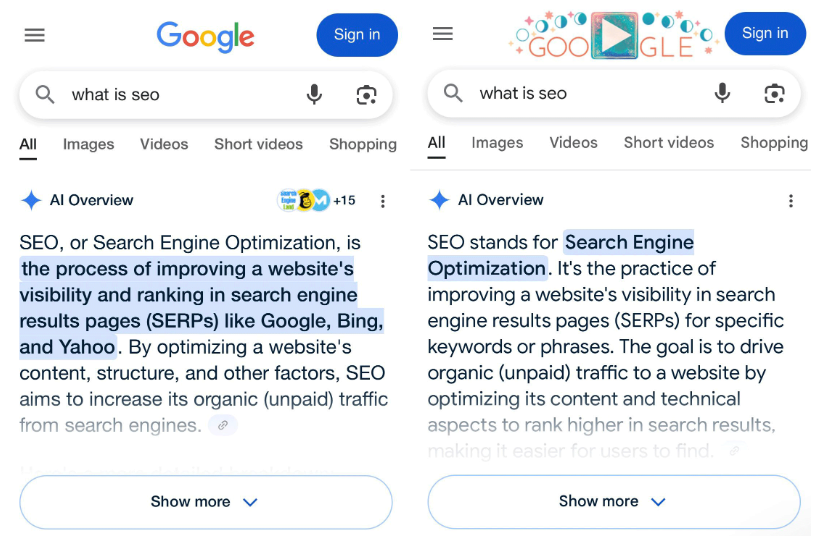
How to be visible in Google AI Overviews has become a key challenge for marketers in 2025. This feature didn’t appear overnight. It began as an experiment under Google’s Search Generative Experience (SGE) in 2023, then evolved with Gemini integration, and now powers the full AI Overview (AIO) rollout across millions of search queries.
Google’s AI doesn’t pick content randomly. Each AIO summary results from a layered process combining relevance, authority, and factual accuracy. The AI reads and compares web content much like a person would but with extra emphasis on structured data, entities, and credibility signals.
Here’s What The System Looks At:
- Information Extraction: Google’s AI scans top-ranking pages for the query and extracts key points.
- Entity Mapping: It identifies major entities like brands, locations, and experts to verify facts.
- Context Building: The AI connects ideas through semantic relationships to understand meaning, not just wording.
- Trust Evaluation: It checks if pages follow E-E-A-T principles (Experience, Expertise, Authoritativeness, Trustworthiness).
For example, a finance-related AI Overview might pull insights from Forbes, Investopedia, or NerdWallet because those sources demonstrate long-term authority, author credibility, and structured data markup.
In short, AIO visibility is earned through consistent, trustworthy content not keyword tricks. You must position your brand as a credible voice within its topic ecosystem.
Strengthen Your Digital Presence with AWISEE’s PR & AEO Solutions
Digital PR is no longer optional — it’s a necessity for visibility in AI-driven search. AWISEE crafts tailored PR campaigns that earn credible citations, strengthen domain authority, and enhance your visibility in AI-generated answers.
Turn your brand mentions into lasting AI visibility with AWISEE
Why Link Authority Still Matters for AI Overview Ranking
Some marketers assume AI-driven search has made backlinks less relevant. That’s a myth. Google’s algorithms still rely on link authority to decide which sources deserve to appear in AI Overviews. When multiple high-authority sites link to your content, Google interprets it as a strong vote of trust.
Authoritative domains are more likely to appear in AI Overviews compared to low-authority websites. Backlinks strengthen your site’s entity connections within the Google AIO framework.
Here’s How to Build Link Authority Effectively:
- Earn backlinks from niche-specific and expert sources, not directories.
- Keep anchor text natural Google’s AI prefers human writing patterns.
- Combine link authority with entity signals like schema or Wikipedia mentions.
Content Optimization: The Core of AIO Visibility
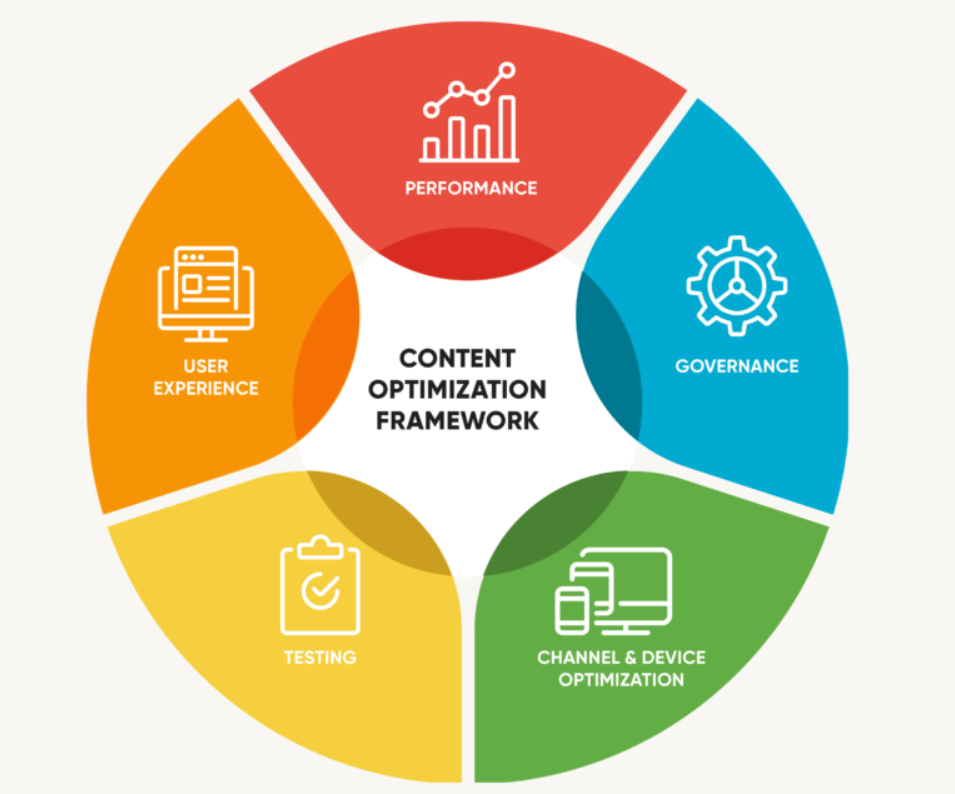
At its core, Google’s AI Overviews depend on clarity, structure, and depth. The AI prefers content that’s detailed, conversational, and easy to summarize.
Strong AIO-ready Content Should:
- Be fact-checked and sourced from credible publications.
- Use structured elements bullet points, tables, and clear subheadings.
- Include schema markup for better machine readability.
AIO SEO Guide: Writing Content AI Can Summarize
- Keep paragraphs short and factual to help AI parse meaning easily.
- Add FAQ, How To, or Product schemas to guide AI understanding.
- Use bullet lists and data tables to help generate clean summaries.
- Expand coverage of related subtopics and entities for stronger context.
As Writesonic reported, content using structured data and sub-entity coverage has a 42% higher chance of being featured in AI Overviews. That’s because the AI prefers easily classifiable data it can quote or summarize directly.
On-Page and Technical Factors: Google AI Overviews SEO Tips 2025
Even the most well-written content can fail if Google can’t crawl or index it correctly.
That’s where Google AI Overviews SEO tips 2025 come into play focusing on technical strength and structured information.
Core Web Vitals & Crawlability
Ensure your website:
- Loads in under 2.5 seconds (LCP standard).
- Uses responsive, mobile-first design.
- Has a secure HTTPS connection and indexable pages.
Entity-Based Optimization
Think of entities as Google’s memory system.
When your content connects multiple entities (e.g., brand → industry → product), the AI builds stronger confidence in your authority.
You can:
- Use internal linking to connect topic clusters.
- Reference Knowledge Graph and Wikipedia entities for alignment.
- Create glossary pages explaining industry-specific concepts.
Author Pages & Credibility Signals:
Trust matters. Include:
- Verified author bios with credentials and links to their profiles.
- References to media mentions or previous publications.
- Consistent formatting that shows expertise and transparency.
When your site looks technically sound and contextually trustworthy, Google’s AI treats it as a safe source for inclusion helping you rank in Google AIO more frequently.
The Role of Digital PR and Citations in AI Search Optimization
It’s surprising how often digital PR gets overlooked in AI SEO strategies. Yet, it’s one of the most powerful ways to be visible in Google AI Overviews. Why? Because Google’s AI doesn’t just pull from keywords it looks for brand credibility. And credibility comes from mentions in trusted, high-authority sources.
When your brand is cited on well-known platforms like Forbes, TechCrunch, or Business Insider, Google’s AI takes notice. These citations act as credibility anchors, helping the algorithm confirm your legitimacy before it includes your content in AI-generated summaries.
But here’s the catch AI prefers context-rich mentions over link spam. That means quality and relevance matter far more than quantity.
A strong digital PR strategy should focus on:
- Getting featured in niche-relevant publications and expert blogs.
- Publishing interviews and thought leadership pieces.
- Building contextual citations that connect your brand to your core industry topics.
When combined with smart technical SEO, these PR-driven citations can make your brand far more trustworthy to AI systems.
That’s where AWISEE plays a vital role. The agency’s AEO (Answer Engine Optimization) services are designed to help brands improve AIO visibility. AWISEE secures high-authority media mentions, structures them with entity-based SEO, and enhances your brand’s credibility in Google AIO results. Whether you operate in SaaS, fintech, or eCommerce, AWISEE ensures every digital mention contributes to your AI Overview performance.
Best Ways to Rank in Google AI Overviews- 5 Actionable Strategies
Now that we’ve covered why digital PR matters, let’s look at the how. These are the most effective and data-driven AI SEO strategies for Google AIO in 2025. Find out how to be visible in Google AI Overviews below:
1. Focus on Semantic SEO & Structured Data
Google’s AI doesn’t just scan for keywords it understands relationships between entities.
Semantic SEO helps connect your brand, product, and audience through logical, structured relationships. To achieve this:
- Implement JSON-LD schema for FAQs, HowTo pages, and products.
- Maintain consistent entity names (brand, founder, location) across platforms.
- Align your site with the Google Knowledge Graph by referencing official sources like Wikipedia or Wikidata.
Websites that apply structured data are likely to appear in AI Overviews compared to those without it. Structured data acts as a roadmap that helps AI identify, categorize, and present your content confidently a core principle in any AIO SEO guide.
2. Optimize for Featured Snippets + AIO Queries
A little-known secret: AI Overviews often reuse content from featured snippets.
If your site already ranks for featured snippets, you’re halfway there. To optimize for both:
- Write question-based headings (e.g., “What is,” “How does,” “Why do”).
- Provide short, factual answers within 2–3 sentences.
- Use bullet lists to summarize key insights.
This simple approach provides AI models with ready-to-use content, making it easier for them to include your brand when optimizing for AI answers.
3. Update & Reoptimize Evergreen Content
Fresh content isn’t just good practice it’s a ranking factor.
Google’s AI systems favor up-to-date and well-maintained pages. To stay current:
- Update old statistics, references, and visuals regularly.
- Re-check schema markup and page speed.
- Refresh meta tags to reflect current-year search trends.
Regularly updated pages maintain higher inclusion rates in AI Overviews than static pages. That’s a clear sign that freshness is one of the key Google AI Overview ranking factors.
4. Build a Recognizable Brand Entity
Want to know the real secret behind how to be visible in Google AI Overviews consistently? It’s entity recognition. When Google’s AI clearly understands your brand identity and topic authority, you become a preferred source for summarization. To build entity strength:
- Maintain a consistent brand description and logo across all platforms.
- Earn mentions in reputable databases, industry media, and directories.
- Use schema markup to define your company, founders, and products.
- Get listed on trusted sources like Wikipedia or Crunchbase both feed into Google’s Knowledge Graph.
Each of these steps helps Google’s AI “remember” your brand and rely on it for future AI answers.
5. Common Mistakes That Prevent AI Overview Inclusion
If you want to find out how to be visible in Google AI Overviews, you need to avoid mistakes that prevent AI overview inclusion. Even top marketers can fall into traps that hurt their AIO performance. The most common issues include:
- Writing shallow, generic content that lacks unique insights.
- Relying solely on AI-written text with no citations or human editing.
- Ignoring structured data or failing to use schema markup.
- Skipping E-E-A-T components like author bios and expert credentials.
Google’s AI is trained to detect low-quality or unverified information. When it finds content lacking credibility, it skips over it even if that content ranks well organically. The solution? Focus on authenticity, accuracy, and authority to ensure your pages remain credible sources.
Measuring AIO Visibility and Performance
Tracking your visibility is key to understanding how to be visible in Google AI Overviews over time. Thankfully, several modern SEO tools now track AIO presence and performance metrics.
Recommended Tools:
- Semrush AIO Tracker – Tracks AIO keywords and entity ranking.
- Writesonic AI Visibility Dashboard – Measures how often your brand appears in AI answers.
How to Measure AIO Impressions & Mentions
So, how to be visible in Google AI overviews? Track metrics like:
- Entity mentions – Frequency of your brand’s inclusion in AI results.
- CTR – Click-through rate differences between AI and organic search.
- Coverage rate – Percentage of queries featuring your brand in AIOs.
These data points reveal what’s working and where to improve. You can then test content updates, optimize schema, and re-publish successful pieces to strengthen AIO visibility.
Future of AI SEO Strategies for Google AIO
So, what’s next for brands wanting to stay ahead and how to be visible in Google AI overviews in future? The future of Google AI Overviews SEO tips 2025 lies in merging content strategy with data structure. AI SEO is shifting toward data clarity, entity alignment, and semantic precision where brands are not just readable to humans but understandable to machines.
Key Trends to Watch:
- Personalization: AI results will adjust based on user behavior and history.
- Verified sources: Google will give preference to expert-reviewed or structured data.
- Content authenticity: Mass-produced text will lose value to original, data-backed insights.
According to Backlinko, “Across 11.8M results, the number of referring domains strongly correlates with higher Google rankings.” The takeaway? Build content that’s both human-friendly and machine-readable.
How To Be Visible in Google AI Overviews and Becoming an AIO-Ready Brand
Visibility in AI Overviews is no longer optional it’s essential. Learning how to be visible in Google AI Overviews means focusing on three things: authority, structure, and credibility.
To recap:
- Strengthen your entity authority through structured data and semantic SEO.
- Maintain content freshness and factual accuracy.
- Use digital PR to build trusted citations across the web.
Brands that master these principles will not only rank higher but also earn trust inside AI ecosystems. As AIO evolves, investing in AI SEO strategies for Google AIO and Answer Engine Optimization (AEO) will ensure long-term success.
Build Entity Authority with AWISEE’s Google AI SEO Service
Google rewards authority, consistency, and clarity and that’s exactly what AWISEE delivers. With years of expertise in entity-based SEO, AWISEE helps brands strengthen their reputation and authority to rank higher in AI Overviews.
Hire AWISEE and maximize your growth with Google AI SEO Service