
This growing micro-influencer impact is transforming how brands build authentic consumer connections.
Micro-influencer impact is reshaping how brands drive results and connect with audiences in ways that traditional ads simply can’t replicate. Their ability to create authentic, trusted content leads to stronger bonds and measurable marketing success.
While some brands are still tempted by big names and celebrity reach, over 60% of influencer marketers say they’re sticking with micro-influencers this year.
This article explores how micro-influencers:
- Shape consumer decisions through authenticity
- Outperform bigger influencers on engagement
- Win trust on platforms like Instagram, TikTok, and YouTube
- Help brands create a lasting impact with minimal spend

Let’s unpack how all this works.
How Do Micro-Influencers Influence Buying Behavior?
Why do people trust micro-influencers more than ads? Because they feel like friends.
According to Stack Influence, 92% of consumers trust recommendations from individuals, like influencers, over traditional brand ads.
This directly connects to how micro-influencers influence buying behavior: not with a hard sell, but with repeat mentions and lifestyle integration that feel organic.
Their opinions are seen as credible and unbiased—this is at the core of the growing micro-influencer impact on buying behavior. The answer: significantly more than celebrity endorsements or ads.
Micro-Influencer Impact and Effectiveness
Having a million followers doesn’t guarantee real influence. In fact, engagement tends to drop as follower counts grow.
Here’s what the 2025 data tells us:
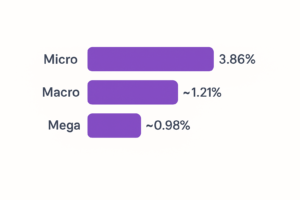
- Micro-influencers (10K–100K followers): 3.86% average Instagram engagement
Also, micro-influencer impact is often greater per follower than that of larger creators — a key reason why brands prioritize micro-influencer marketing in 2025 for stronger ROI and engagement.
Track Performance Like a Pro
With AWISEE, you don’t just get influencers—you get insights.
We optimize your micro-influencer marketing performance with transparent reporting, real-time KPIs, and ROI benchmarking.
Ready to see the numbers grow?
📈 Optimize Your Micro-Influencer Performance
Work with awisee to build data-driven micro-influencer campaigns that scale engagement and conversions across Instagram, TikTok, and YouTube.
Storytelling and Lifestyle Integration vs. One-Off Ads
Think of a fitness influencer who briefly shows a protein shake once—it won’t move the needle. But when they include it in multiple routines, that repetition and realism stick.
Cialdini’s principles—Social Proof, Liking, and Unity—support why long-term micro-influencer partnerships outperform traditional ads.
It’s not just about the shoutout—it’s about purchasing habits influenced by creators who align with real-life routines, driving measurable influencer marketing ROI.
Consumer Engagement with Influencers Across Platforms
Most of the marketers prioritize micro-influencers on Instagram due to its tools like Reels and Shopping Tags.
TikTok: Virality and Gen Z
Micro-influencers on TikTok see explosive engagement. They deliver fun, authentic content that resonates deeply.
YouTube: Long-form Trust
For high-ticket items and deeper stories, YouTube’s format empowers influencers to build enduring trust.
These platforms will play a key role in the next wave of micro-influencer marketing study opportunities, especially as brands refine micro-influencer marketing strategies for maximum impact.

Micro-Influencer Marketing Performance Metrics
The following stats reveals the micro-influencer impact isn’t just a trend—it’s a measurable advantage.
- Instagram (Micro): ~3.86%
- TikTok (Micro): Often 10%+
- YouTube (Micro): Longer engagement duration
Influencer Engagement Rates by Platform (2025)

Here’s how micro-influencers stack up across key platforms in 2025:
- TikTok sees micro-influencers with over 10% engagement, significantly outperforming macro and mega creators.
- Instagram engagement for micro-influencers is 3.86%, compared to just 1.21% (macro) and 0.98% (mega).
- YouTube shows a similar trend, where micro-influencers drive more meaningful, long-form interactions.
ROI, Conversions, and Awareness
69% of marketers report better ROI from influencer marketing vs. traditional advertising.
With low cost, high trust, and strong conversions, the consumer engagement with influencers is leading brands to rethink their budget allocations.
Long-term collaborations lead to:
- Higher product awareness
- Trust-driven conversions
- Scalable influencer-generated content
Micro-Influencers’ Followers Perceive Them as Peers
Unlike celebrities, micro-influencers are relatable. Their audience doesn’t idolize them—they identify with them.
They’re the friend who shares honest product reviews. The creator who knows the best skincare or hiking boots. This perceived authenticity further amplifies the micro-influencer impact on consumer trust and purchase decisions.
This perceived authenticity explains the difference in micro vs macro influencer effectiveness, where micro creators often win on trust, relatability, and conversion. Read this article on “Macro vs. Micro-Influencers: Best Pick in 2025?” to find out the most suitable influencer type for your brand.
Why Long-Term Collaborations Outperform One-Offs
One post might look nice—but it fades. Repetition, storytelling, and genuine lifestyle integration create long-term brand association.
That approach generates more than visibility. It solidifies the brand as part of the influencer’s daily routine—impacting purchasing habits influenced by creators over time.
This is where the micro-influencer impact delivers consistent returns across every platform.
Do Micro-Influencers Influence Consumer Trust?
Absolutely. And it’s not just the content—it’s how they interact.
Micro-influencers reply to DMs. They run polls. They share behind-the-scenes moments. This kind of two-way engagement builds emotional closeness and cements trust.
Answer: A lot more than traditional ads or celebrity endorsements.
And when brands align with creators who share their values (e.g., sustainability, wellness, or tech transparency), that trust is multiplied. Do micro-influencers influence consumer trust? Yes—by amplifying shared beliefs.
Steps Brands Can Take to Collaborate with Micro-Influencers in 2025
They should look for Alignment of Values and Niche.
- Choose creators already talking about your category
- Example: A vegan food brand should choose vegan recipe influencers, not just general lifestyle bloggers
Scroll their last 10 posts—do they live your values?
Prioritize Engagement Over Vanity Metrics
- Don’t chase big follower counts
- Instead, target 3%+ engagement rates for micro-influencers
- Look for rich comment threads and real interactions
This is a core lesson from every micro-influencer marketing study in recent years: real communities convert — and these results are clearly shown in recent micro-influencer marketing case studies.marketing case studies.
🎯 Ready to Scale With Micro-Influencers?
Let awisee help you build high-impact micro-influencer campaigns that drive measurable trust, engagement, and revenue.
Build Ambassador Programs or Multi-Phase Campaigns
The brands winning in 2025 don’t run one-off campaigns—they build influencer families:
- Monthly content deliverables
- Tiered incentive programs (free products, bonuses)
- Cross-platform collaborations (Instagram, TikTok, YouTube)
This structure maximizes micro-influencer marketing performance, with influencers invested in your brand’s success.
Micro-Influencer Marketing Study: Real Data from 2025
Let’s look at two data points that reinforce the micro-influencer impact:
- 79% of creators prefer longer partnerships
- 60 %+ of marketers plan to increase spend on micro-influencers in 2025
Why?
- Better engagement
- Lower cost per post
- Better engagement
- Greater authenticity and trust
How do micro-influencers influence buying behavior? Through consistent, value-driven storytelling that creates real conversions, not just impressions.
Brand Preference for Influencer Types in 2025
This pie chart breaks down how brands allocate their influencer marketing preferences in 2025:

- 60% of marketers prefer micro-influencers
- 20% use macro influencers
- 10% rely on mega influencers
- Only 10% opt for celebrity endorsements
It visually emphasizes the dominance and trust in micro-influencers as a strategic priority for marketers planning 2025 influencer marketing trends.
The Lasting Impact of Micro-Influencers on 2025 Consumer Behavior
The micro-influencer impact is the most trusted form of digital persuasion in 2025. It’s affordable, scalable, and human.
These influencers:
- Speak from experience
- Build meaningful connections
- Influence brand trust and purchases directly
For brands looking to grow with authenticity, now’s the time. Invest in people, not platforms. Choose micro and win on trust.
Key Stats Summary Table
